

Inventory Data and Supply Chain TransformationWhat if the biggest obstacle to your next digital transformation is not
the technology you have chosen, but the data already sitting inside your
organization?
The Real Challenge Behind Inventory Transformation
Many organizations only ask this question once implementation is already underway. During a recent inventory and procurement transformation project, one thing became immediately clear: everyone expected technology to be the biggest challenge.
However, it was not.
The biggest challenge was the data.
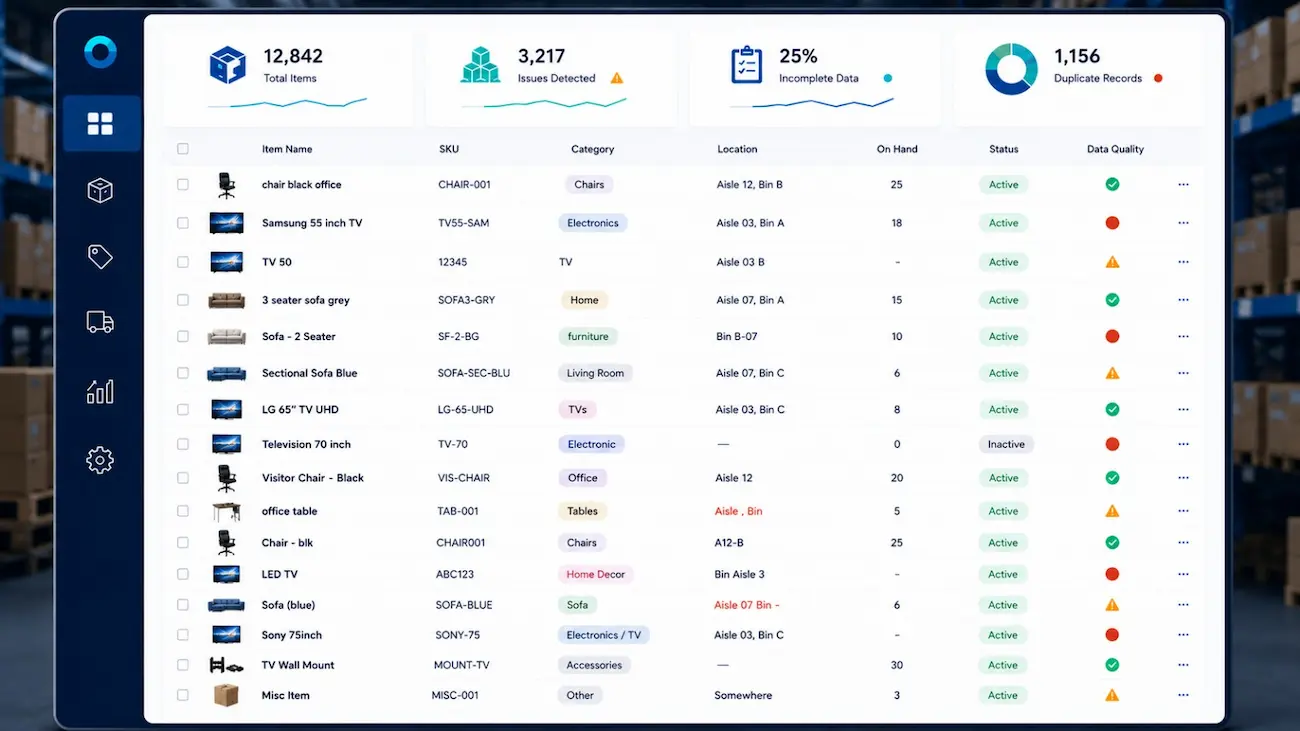
As the inventory review began, a clear pattern emerged. The same product appeared more than once. Some items followed different naming conventions. Others had been added over the years with little consistency. In addition, manual workarounds had become part of the daily routine because they were the easiest way to keep operations moving.
Where Inventory Data Starts to Break Down
None of these issues sounded alarming on their own. Together, however, they had a real impact on the business.
Teams spent time checking information that should already have been reliable. Reports required validation before they could be trusted. Purchasing decisions became more complicated than they needed to be.
As a result, instead of helping people move faster, the system often required extra effort just to confirm that everyone was looking at the same information.
Poor inventory data creates hidden operational cost.
Duplicate items, inconsistent naming, and unclear ownership may seem small at first. Over time, they slow purchasing, weaken reporting, and reduce confidence in supply chain decisions.
Technology Does Not Fix Weak Data Foundations
The interesting part is that none of these challenges were caused by the technology itself. Instead, they had developed gradually as the organization grew.
That was probably the biggest takeaway from the project. We often think of digital transformation as implementing a new system. In reality, technology simply reflects the quality of the processes and data already in place.
If the foundation is inconsistent, the technology does not fix it. It exposes it.
Duplicate Records The same product may appear multiple times, making purchasing and reporting harder to manage.
Inconsistent Naming Different naming formats can cause the system to treat one item as several different products.
Manual Workarounds Informal fixes may keep operations moving, but they also make processes harder to control and scale.
Why Standardization and Governance Matter
One example that stood out was product naming. Imagine three employees entering the exact same item into the system.
One writes “Office Chair – Black.” Another enters “Black Office Chair.” A third simply types “Chair – Black.”
To people, it is obvious they are referring to the same product. To the system, however, they are three different entries.
That one small difference can affect purchasing, reporting, inventory visibility, analytics, and even financial reporting. Multiply that across hundreds or thousands of products, and it becomes easy to understand how data quality gradually turns into an operational challenge.
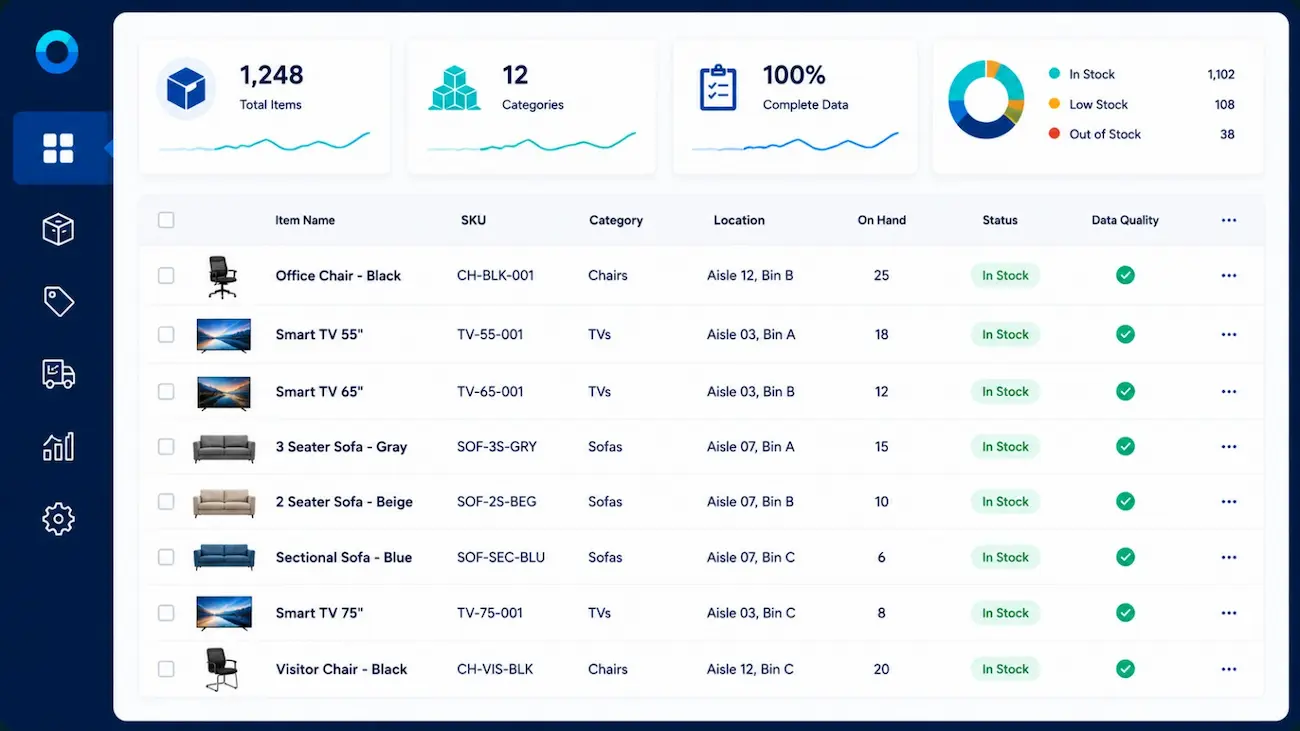
Standardization Clear naming conventions help teams manage products consistently across procurement, inventory, and reporting.
Governance Defined ownership helps ensure data standards continue long after the transformation project is complete.
Process Discipline Consistent processes reduce manual corrections and make operational performance easier to measure.
Long-Term Value Cleaning data once is useful. Keeping it clean is where organizations create lasting transformation value.
Digital Transformation Starts with the Foundation
The biggest lesson from this experience is that digital transformation does not start with technology. It starts with building a strong operational foundation.
Reliable data. Consistent processes. Clear ownership.
Only then can dashboards provide meaningful insights, automation reduce effort, and AI generate recommendations that organizations can trust.
Technology remains one of the greatest enablers of operational excellence. However, before selecting your next ERP, dashboard, or AI solution, it may be worth asking one simple question:
Are your data and processes ready?
In many transformation projects, the success of the technology depends far less on the software itself than on the quality of the foundation beneath it.
Build a stronger foundation for supply chain transformation.
Synergi helps organizations improve procurement, inventory, and operational processes so technology can deliver clearer insights, stronger control, and better long-term value.