
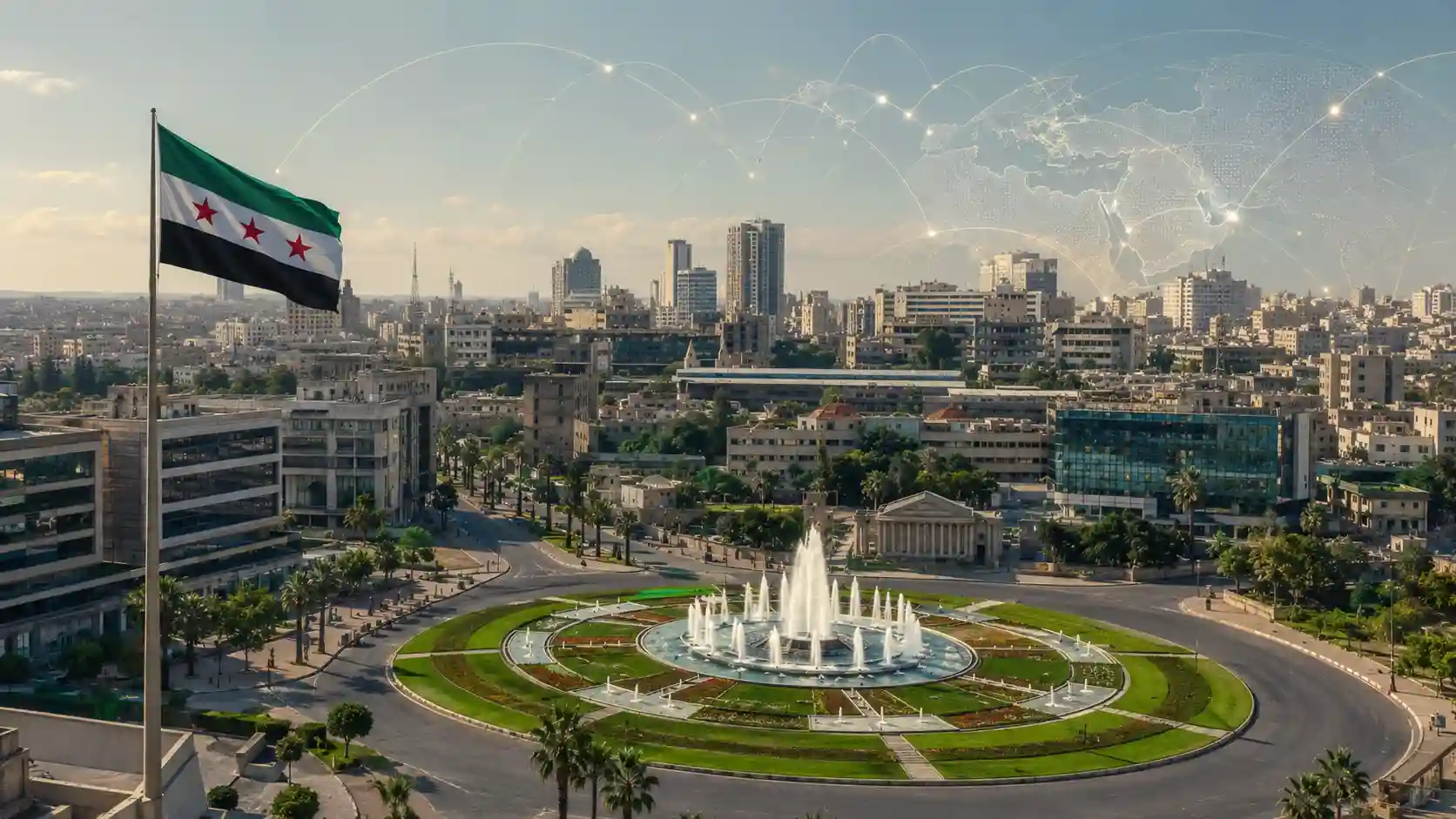
BPO in Syria and Economic Transformation
BPO in Syria is more than a cost-efficiency model. It can also become a practical engine for jobs, foreign income, digital capability, and long-term economic transformation.
هذا المقال متاح أيضا باللغة العربية.
Syria’s Economic Transition and Opportunity
As Syria steps into a new economic chapter, new development opportunities are beginning to emerge. At the same time, international efforts to improve access to resources, investment, and connectivity are creating conditions that could support stronger participation in regional and global markets.
Combined with Syria’s existing strengths, this transition positions the country to advance its digital economy and explore Business Process Outsourcing (BPO) as a growth model. In several emerging markets, this model has supported employment, investment, and long-term economic development by turning skilled human capital into exportable business services.
BPO as an Economic Driver
Business Process Outsourcing allows essential but non-core business functions to be handled by specialized third-party providers. In practice, these functions can include procurement, finance, human capital, payroll, IT, customer support, and digital back-office operations.
As a result, companies can reduce costs, improve efficiency, and focus more directly on their core business. A hospital, for example, could outsource appointment scheduling, billing administration, or payroll processing to a service provider, allowing its internal teams to stay focused on patient care.
Why BPO matters for Syria
This is also a service export model. Foreign companies can pay local providers for services delivered remotely, bringing foreign currency into the domestic economy while creating skilled employment opportunities.
Countries such as the Philippines and India have shown how outsourcing can create jobs, attract investment, and support long-term growth through the export of business services. Therefore, the same model could become an enabler of digital employment and economic resilience for Syria.

Why Syria Can Compete as a Business Services Hub
Several characteristics could make Syria attractive as an emerging business services destination. Its talent base, language capabilities, location, and cost structure all support the potential for internationally delivered work.
Skilled Workforce Educated professionals across marketing, finance, legal, engineering, IT, and administrative functions.
Competitive Labour Costs A cost base that may support internationally competitive delivery for remote business services.
Digital Connectivity Expanding infrastructure and connectivity initiatives that can support digital service delivery.
Strategic Location A geographic position linking Asia, Europe, and the Gulf.
Arabic Language Advantage Native Arabic-speaking talent that can support the GCC and wider MENA region.
Cultural Alignment Strong regional familiarity for customer-facing and business-support functions. Cost Competitiveness Signal
According to WageIndicator, Syria’s statutory monthly minimum wage in 2025 was SYP 750,000. Comparable minimum wage references for Egypt and Jordan stood at EGP 7,000 and JOD 290 respectively.
Using market exchange rates at the time of assessment, these figures were approximately USD 65-75, USD 140, and USD 410 per month. However, wage levels alone do not define competitiveness.
When combined with an educated workforce, improving connectivity, and operational quality standards, they suggest that BPO in Syria could become a cost-efficient platform for internationally traded services.
In addition, initiatives such as SilkLink are helping expand digital connectivity. Syria’s strategic location and Arabic-speaking workforce also strengthen its potential to serve clients across the GCC and wider MENA region.

Why BPO Fits Syria’s Economic Needs
The requirements of outsourcing align closely with Syria’s existing capabilities. Moreover, the benefits address several of the country’s economic challenges, including talent retention.
Many skilled professionals seek opportunities abroad. A stronger local business services sector could give them access to international work without requiring them to leave the country.
Over time, this can help Syrians work with international clients, develop global best practices, and build stronger careers at home.
Job Creation The sector can create employment across operational, technical, administrative, and customer-facing roles.
Foreign Income Service exports can bring foreign currency into the domestic economy through remote delivery.
Talent Retention Skilled professionals can access international work without leaving the country.
Faster Economic Activity Compared with heavy industries, outsourcing can begin generating value with lower infrastructure requirements.
Unlike many sectors that require significant physical infrastructure, this model can begin generating economic activity relatively quickly. As a result, it offers a practical path for job creation, foreign income generation, and digital capability building.
Challenges Syria Must Address
As Syria continues reintegrating into international markets, it must address key challenges before it can fully position itself as a trusted outsourcing destination.
Trust and Credibility International clients need confidence in delivery quality, stability, and professional standards.
Global Competition Syria will compete with established outsourcing markets that already have mature client networks.
Regulatory Frameworks Supportive legal and commercial rules are essential for internationally traded services.
Data Security Clear standards are needed to protect sensitive business information.
Talent Development Local talent must be attracted, trained, and retained through proper initiatives.
Compliance Standards Providers must meet international expectations for governance, reporting, and quality control.
One of the most important priorities is data security and intellectual property protection. Since service providers often handle sensitive information, clear standards in these areas will be critical for building confidence among prospective international clients.
The Future Opportunity for Syria’s BPO Sector
If Syria addresses these priorities with the right policies, partnerships, and delivery standards, it has the potential to establish itself as an attractive destination for outsourced business services.
Meanwhile, the growing integration of artificial intelligence into outsourcing services creates a timely opportunity. Syria could develop expertise in AI-assisted business services, data processing, customer support, and digital back-office operations.
This would help the country remain competitive in a rapidly evolving market.
Step 1Build trust Step 2Develop talent Step 3Protect data Step 4Export services
Looking ahead, Syria could become a regional delivery hub, providing Arabic-language and digitally delivered services to clients across the GCC and wider Middle East.
Explore Syria’s BPO opportunities.
Synergi helps organizations assess, design, and scale practical outsourcing and shared services models aligned with business needs and regional opportunities.
اقرأ النسخة العربية من المقال
مستقبل تعهيد العمليات التجارية في سوريا: محفز للتحول الاقتصادي والتنمية
مع دخول سوريا فصلا جديدا من تاريخها، تظهر فرص جديدة للتنمية الاقتصادية. وقد حظي هذا التحول الاقتصادي المستمر بدعم الجهود الدولية الرامية إلى تحسين وصول سوريا إلى الموارد والاستثمارات والربط. وبالاقتران مع نقاط القوة الحالية التي تتمتع بها سوريا، تضع هذه التطورات البلاد في وضع يتيح لها تطوير اقتصادها الرقمي وتعزيز اندماجها في الأسواق الدولية.
وبالتالي، فإن سوريا في وضع جيد للدخول في مجال تعهيد العمليات التجارية (BPO)، وهو نموذج أعمال ساهم في دعم النمو الاقتصادي في العديد من الاقتصادات النامية.
تعهيد العمليات التجارية كمحرك للنمو الاقتصادي
يتيح تعهيد العمليات التجارية إسناد المهام التجارية الأساسية غير الجوهرية إلى مزودي خدمات متخصصين من أطراف ثالثة. ويمكن أن تشمل هذه المهام المشتريات، والشؤون المالية، والموارد البشرية، وكشوف المرتبات، وتكنولوجيا المعلومات، ودعم العملاء، وعمليات الدعم الإداري الرقمية.
ومن خلال الاستعانة بمصادر خارجية لتنفيذ هذه الأنشطة، يمكن للشركات خفض التكاليف وتحسين الكفاءة والتركيز على أنشطتها التجارية الأساسية. على سبيل المثال، يمكن لمستشفى ما أن يعهد بمهام مثل تحديد مواعيد المرضى، وإدارة الفواتير، أو معالجة كشوف المرتبات إلى مزود خدمات متخصص، مما يتيح له التركيز بشكل كامل على رعاية المرضى.
لماذا يهم هذا النموذج سوريا؟
تعهيد العمليات التجارية هو أيضا نموذج لتصدير الخدمات. وهذا يعني أن الشركات الأجنبية تدفع مباشرة للمزودين المحليين مقابل الخدمات المقدمة عن بعد، مما يجلب العملات الأجنبية إلى الاقتصاد المحلي ويدعم خلق فرص عمل ماهرة.
وقد أظهرت دول مثل الفلبين والهند كيف يمكن لتقديم خدمات التعهيد أن يخلق فرص عمل ويجذب الاستثمار ويدعم النمو الاقتصادي على المدى الطويل من خلال تصدير الخدمات التجارية.
المزايا التنافسية لسوريا في مجال خدمات التعهيد
تتمتع سوريا بالعديد من السمات التي تجعلها وجهة واعدة لخدمات الأعمال المقدمة رقميا. وتشمل نقاط القوة الرئيسية ما يلي:
قوة عاملة ماهرة كوادر متعلمة في مجالات التسويق والمالية والشؤون القانونية والهندسة وتكنولوجيا المعلومات.
تكاليف عمالة تنافسية بيئة تكلفة يمكن أن تدعم تقديم خدمات الأعمال المتداولة دوليا.
بنية رقمية آخذة في التوسع تحسن في الاتصال والبنية التحتية الرقمية يدعم تقديم الخدمات عن بعد.
موقع استراتيجي موقع يربط بين آسيا وأوروبا والخليج.
ميزة اللغة العربية قوة عاملة ناطقة بالعربية يمكنها خدمة دول الخليج ومنطقة الشرق الأوسط وشمال أفريقيا.
توافق ثقافي ولغوي فهم إقليمي يدعم الخدمات الموجهة للعملاء وخدمات الدعم.
توفر القوة العاملة المتعلمة في سوريا قاعدة قوية من المواهب لخدمات الأعمال. وقد تستفيد سوريا أيضا من تكاليف العمالة التنافسية نسبيا. ووفقا لـ WageIndicator، بلغ الحد الأدنى القانوني للأجور الشهرية في عام 2025 ما مقداره 750,000 ليرة سورية في سوريا، مقارنة بـ 7,000 جنيه مصري في مصر و290 دينارا أردنيا في الأردن.
وباستخدام أسعار الصرف السائدة في السوق، تعادل هذه الأرقام تقريبا ما بين 65 و75 دولارا أمريكيا في سوريا، و140 دولارا أمريكيا في مصر، و410 دولارات أمريكية في الأردن شهريا. وتشير هذه الأرقام إلى أن سوريا يمكن أن توفر بيئة تنافسية من حيث التكلفة للخدمات المتداولة دوليا، لا سيما عند اقترانها بقوتها العاملة المتعلمة وبنيتها التحتية الرقمية الآخذة في التوسع.
وبالإضافة إلى ذلك، تساعد مبادرات مثل مشروع سيلك لينك (SilkLink) على توسيع نطاق الاتصال الرقمي، في حين يعزز الموقع الاستراتيجي لسوريا وقوتها العاملة الناطقة باللغة العربية من إمكاناتها لتكون مركزا إقليميا للخدمات المقدمة رقميا في دول مجلس التعاون الخليجي ومنطقة الشرق الأوسط وشمال أفريقيا.
توافق عال بين قطاع التعهيد واحتياجات سوريا الاقتصادية
لا تقتصر متطلبات قطاع تعهيد العمليات التجارية على توافقها مع القدرات الحالية لسوريا فحسب، بل إن فوائده تعالج أيضا العديد من التحديات الاقتصادية التي تواجهها البلاد. فقد واجهت سوريا صعوبات في الاحتفاظ بقوتها العاملة ذات المستوى التعليمي العالي، حيث يسعى العديد من المهنيين المهرة إلى البحث عن فرص عمل في الخارج.
ويمكن لهذا القطاع أن يشجع على الاحتفاظ بالمواهب من خلال تمكين السوريين من العمل مع عملاء دوليين وتطوير أفضل الممارسات، مع البقاء داخل البلاد. علاوة على ذلك، وعلى عكس العديد من الصناعات التي تتطلب استثمارات كبيرة في البنية التحتية، يمكن لقطاع التعهيد أن يبدأ في توليد نشاط اقتصادي بسرعة نسبية.
التحديات والفرص المستقبلية
مع استمرار سوريا في إعادة اندماجها في الأسواق الدولية، يتعين عليها مواجهة بعض التحديات الرئيسية. وتشمل هذه التحديات بناء الثقة والمصداقية لدى العملاء الدوليين، والتنافس مع الوجهات العالمية الراسخة، ووضع أطر قانونية وتنظيمية داعمة، وضمان أمن البيانات وحماية الملكية الفكرية.
بناء الثقة يحتاج العملاء الدوليون إلى الثقة في الجودة والاستقرار والمعايير المهنية.
المنافسة العالمية ستنافس سوريا وجهات راسخة تمتلك شبكات عملاء وبنية تشغيلية متقدمة.
الأطر التنظيمية وجود بيئة قانونية وتنظيمية داعمة ضروري لتقديم الخدمات المتداولة دوليا.
أمن البيانات معايير واضحة لحماية البيانات والملكية الفكرية ضرورية لبناء الثقة.
وبصفتها وجهة ناشئة في مجال تعهيد العمليات التجارية، يجب على سوريا التغلب على حواجز الثقة والمصداقية التي تواجه عادة الوافدين الجدد إلى السوق. كما سيكون وجود بيئة قانونية وتنظيمية داعمة أمرا ضروريا لتسهيل تقديم الخدمات المتداولة دوليا.
ومع معالجة هذه التحديات بشكل سليم، فإن سوريا تمتلك القدرة على ترسيخ مكانتها كوجهة جذابة لخدمات تعهيد العمليات التجارية. كما يوفر التكامل المتزايد للذكاء الاصطناعي في خدمات التعهيد فرصة لسوريا لتطوير خبرتها في الأعمال المدعومة بالذكاء الاصطناعي، ومعالجة البيانات، ووظائف الدعم الرقمي.
استكشف فرص تعهيد العمليات التجارية في سوريا.
تساعد Synergi المؤسسات على تقييم وتصميم وتوسيع نماذج التعهيد والخدمات المشتركة بما يتماشى مع احتياجات الأعمال والفرص الإقليمية.
Synergi’s HR outsourcing and payroll services are where most engagements in emerging markets begin.